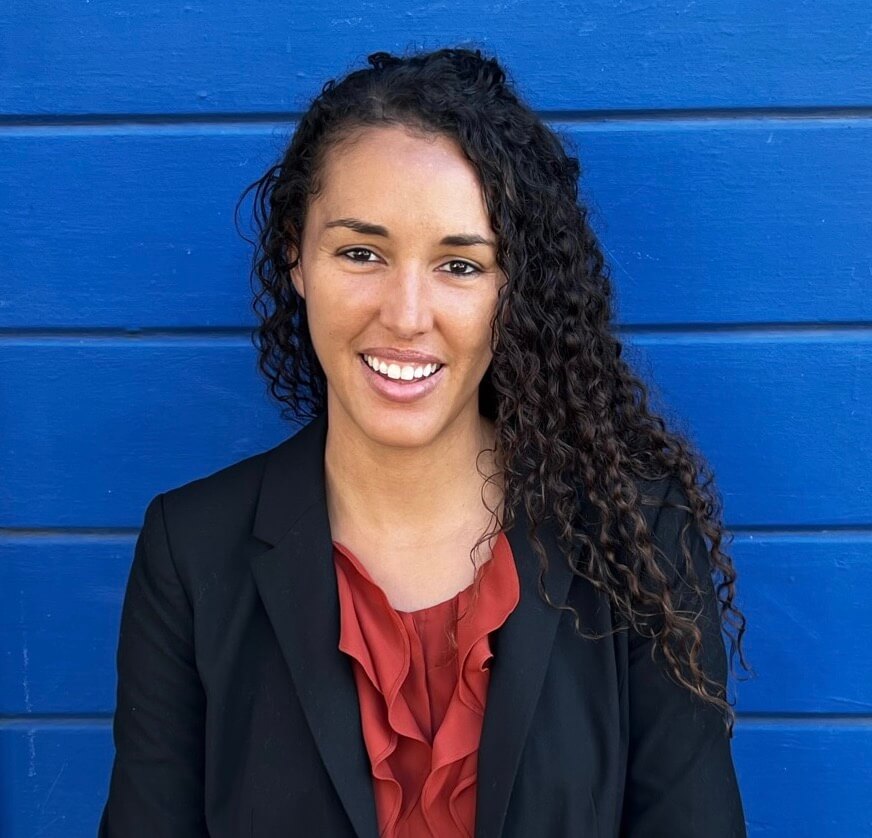
Dr. Caitlin Collins will tell you effective collaboration and communication are the backbone of a successful medical institution. After all, working at Zuckerberg San Francisco General Hospital and Trauma Center (ZSFG)—and hospitals everywhere—is the most intense team sport out there.
Dr. Collins is no stranger to team dynamics, from being a college athlete to a trauma surgeon, she has an innate understanding of the trust needed between physicians to ensure successful patient outcomes. According to Dr. Collins, there’s no place like trauma surgery where this is highlighted quite so clearly.
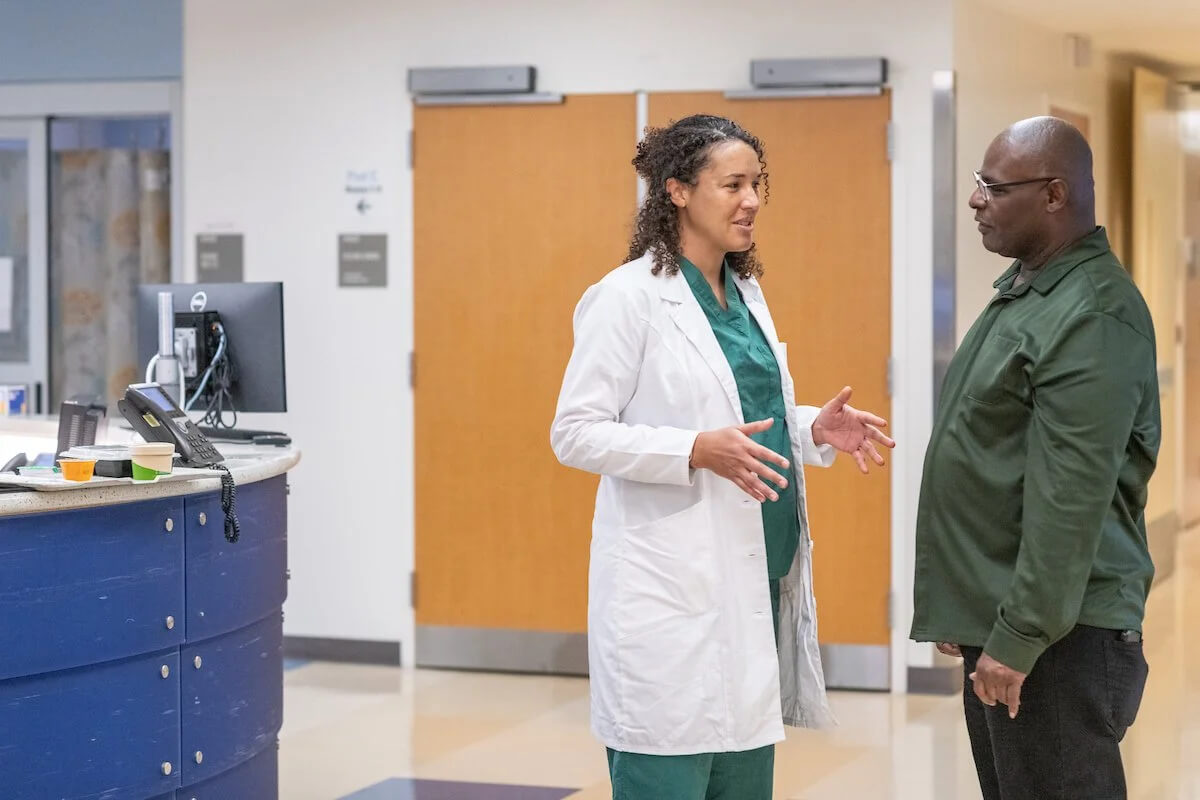
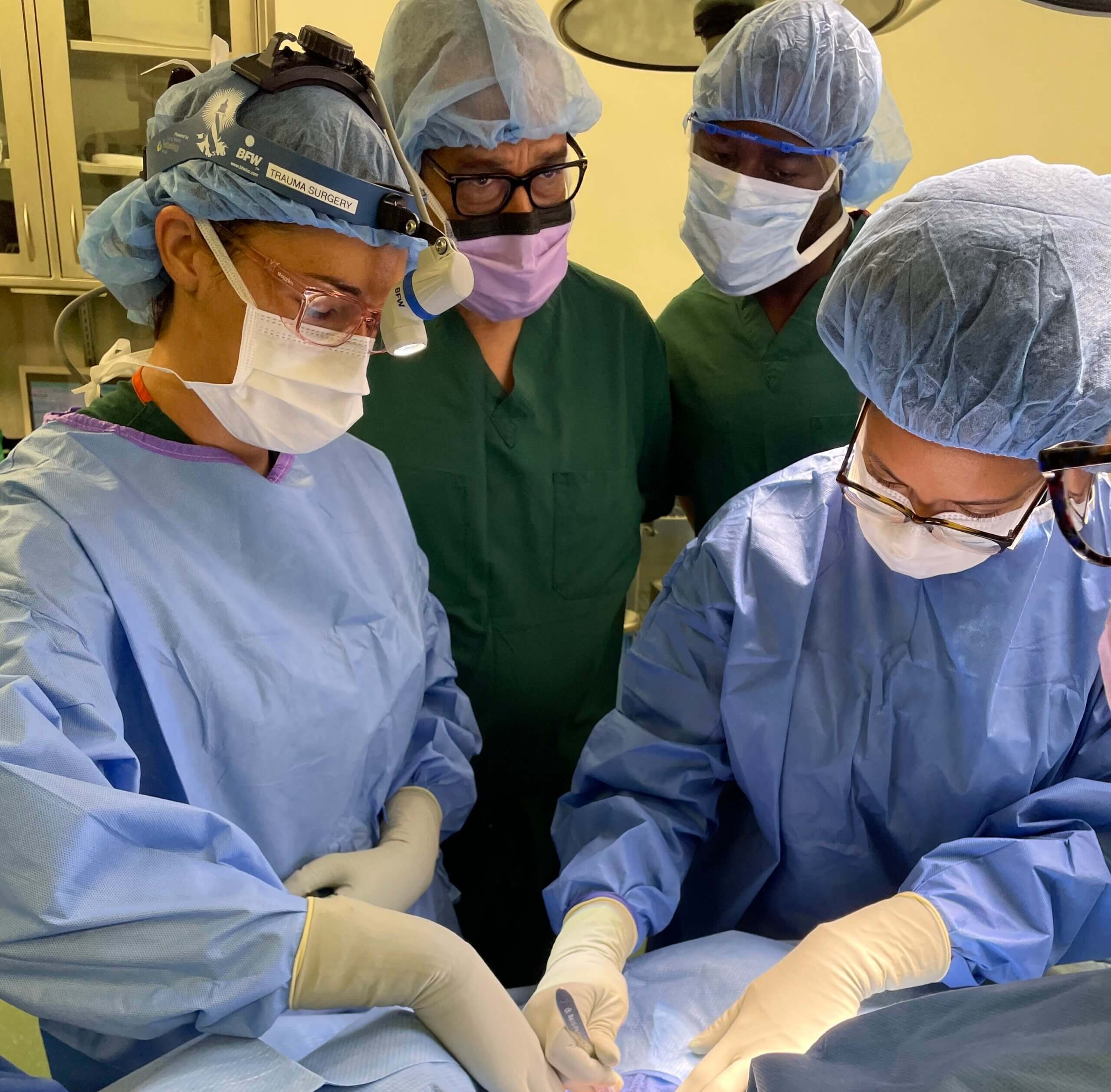
When someone is severely injured and in need of trauma care, it’s not just the surgeon that has a critical role to play. From having a well-functioning EMS system capable of stabilizing a patient during transport, to having anesthesiologists and nurses ready to provide care immediately upon arrival at the trauma bay, each person has an essential role to play.
“There’s so many moving pieces and people involved in the care of a severely injured trauma patient, that even if I were the world’s most excellent trauma surgeon, I wouldn’t have good outcomes,” says Dr. Collins. “That’s the really cool thing about my job, having the opportunity to witness how all these pieces come together and how everybody takes so much pride in the job that they’re doing.”
It’s no surprise that during a medical emergency, a breakdown of communication can have catastrophic outcomes. Dr. Collins notes that this is why healthy communication is pushed so strongly in the trauma bay and beyond. She highlights that it’s not just in-the-moment communication, but also having systems in place to effectively and accurately convey patient information between providers as people come on and off shifts.
At ZSFG, a tactic used to address this concern is closed loop communication, a method that requires the individual receiving the information repeat back what they heard to the speaker, ensuring everyone is on the same page.
It’s not just communication among colleagues that carries significant weight, but the communication methods used between patient and provider. Dr. Collins understands this well as the Medical Director of the Wraparound Project, a hospital-based violence intervention program that provides wraparound services for violent injury survivors treated at the hospital.
The program utilizes violence prevention professionals, often individuals who have lived experiences with violence, to meet patients at their bedside to build trust with the health care system. Having an advocate by their side, someone who they see themselves in, encourages patients to lean into their health care team more and engage more effectively with their care plan.
“It’s a unique opportunity to go upstream and address the social and socioeconomic drivers that led them to the hospital in the first place,” says Dr. Collins.

People often assume a trip to the hospital is only about medical care, but as Dr. Collins highlights, medical care is inseparable from social care. She notes its naïve to expect that discharging a gunshot wound victim into the same environment in which they received their injury would lead to a life guaranteed free from future violence. Having the ability to address these realities is a responsibility Dr. Collins feels is essential to advancing health equity.
As the only Level 1 Trauma Center in San Francisco and northern San Mateo County, ZSFG’s role determining the health of our community cannot be overstated. The Hospital does not discriminate. Anyone in need of trauma care, regardless of insurance or social status, would be treated at ZSFG in their moments of greatest need, by the same doctors, in the same operation rooms, with the same quality of care.
This is what makes ZSFG so special to Dr. Collins. She shares that ZSFG thrives largely because its providers are united around a shared mission, a mission to deliver the highest quality of care possible for all people, and a shared core belief that everybody deserves access to this care.
“We wear a lot of hats. But the hats we wear are ones we chose to put on, and they’re ones I feel particularly proud to have the opportunity to wear.” Dr. Caitlin Collins