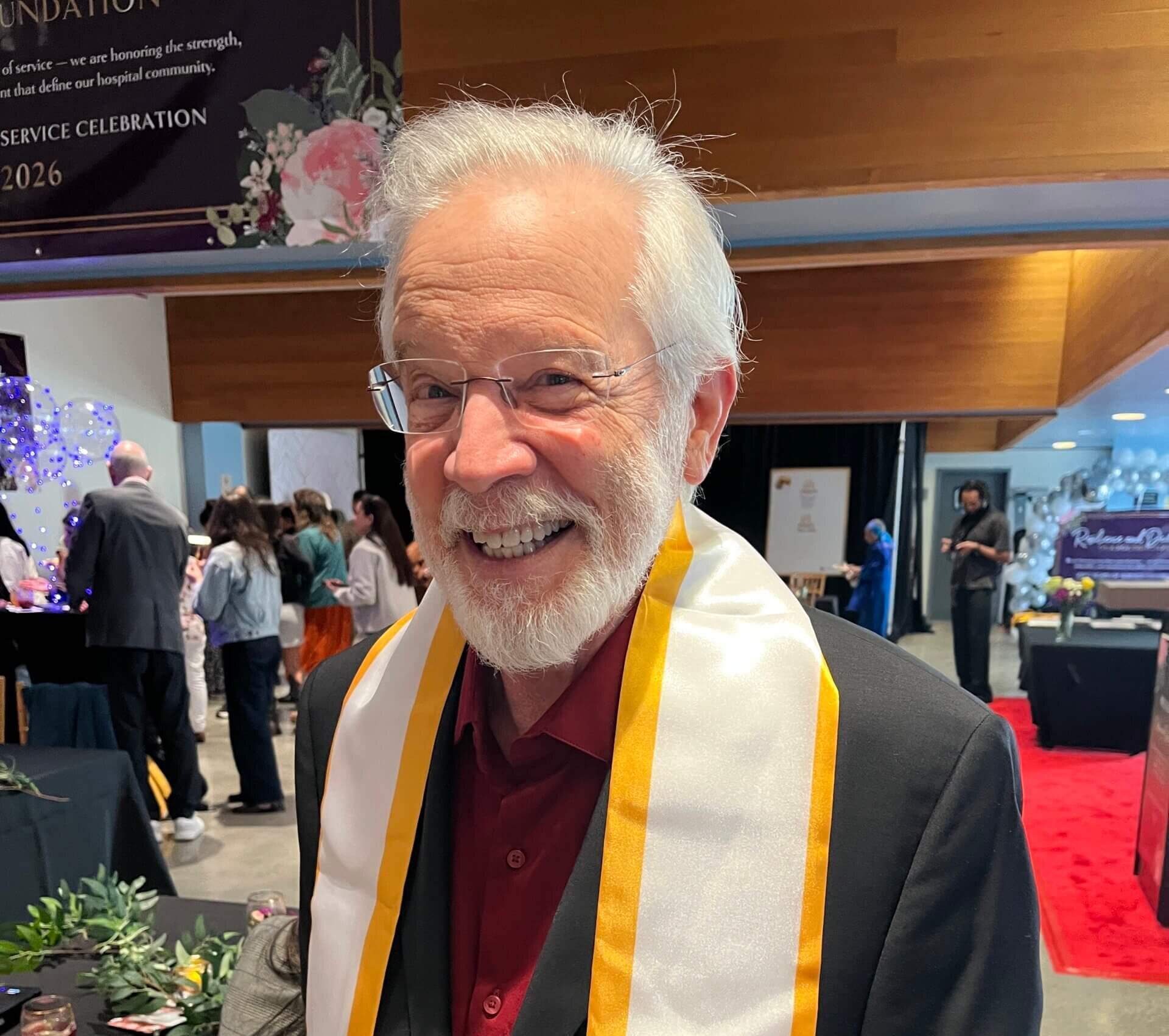
With 45 years of innovative and excellent patient care under his belt, Dr. Alan Gelb is one of the longest serving providers at Zuckerberg San Francisco General Hospital and Trauma Center (ZSFG). Starting in the Hospital as a resident, Dr. Gelb has shaped a career dedicated to improving patient care policies at ZSFG and advocating for better resources for care.
“We treat our patients that same way they would be treated as if they weren’t someone living on the streets. They need to be treated like anybody else, with a lot of respect.” Dr. Alan Gelb
As a young resident in 1973, Dr. Gelb trained at a ZSFG that still had an operational surgical amphitheater. Here, he watched several operations take place and soon found his interest taken by emergency medicine.
“I enjoy taking care of patients every day; in the ER you see people with everything. People ask me a lot ‘When are you going to retire?’ the answer is when I work a shift in the ER and there’s nothing new.” Dr. Alan Gelb
In the mid-1980’s Dr. Gelb was selected to become the Chief of the Emergency Department, right in the middle of the AIDs pandemic when there was still no highly effective treatment. Dr. Gelb reflects on this time, sharing that it was a trying time that felt like a trial by fire, a challenge that he thrived in.
“[Working in medicine] gives me a sense of purpose. If not for us, these patients wouldn’t get the kind of care they need.” Dr. Alan Gelb
As Chief of the Emergency Department, Dr. Gelb made it a priority to ensure all patients were receiving excellent and equitable care. At the time, there was still a division between the medicine and surgical side in the emergency department, and there were only a few attendings trained in emergency medicine that could work in both areas.
He recognized having a divided emergency room made it challenging to immediately determine the section patients should go for treatment, as additional details revealed after closer examination often called for switching between sides and doctors. In response, he changed the emergency room to be based on sex, for privacy, and acuity instead.
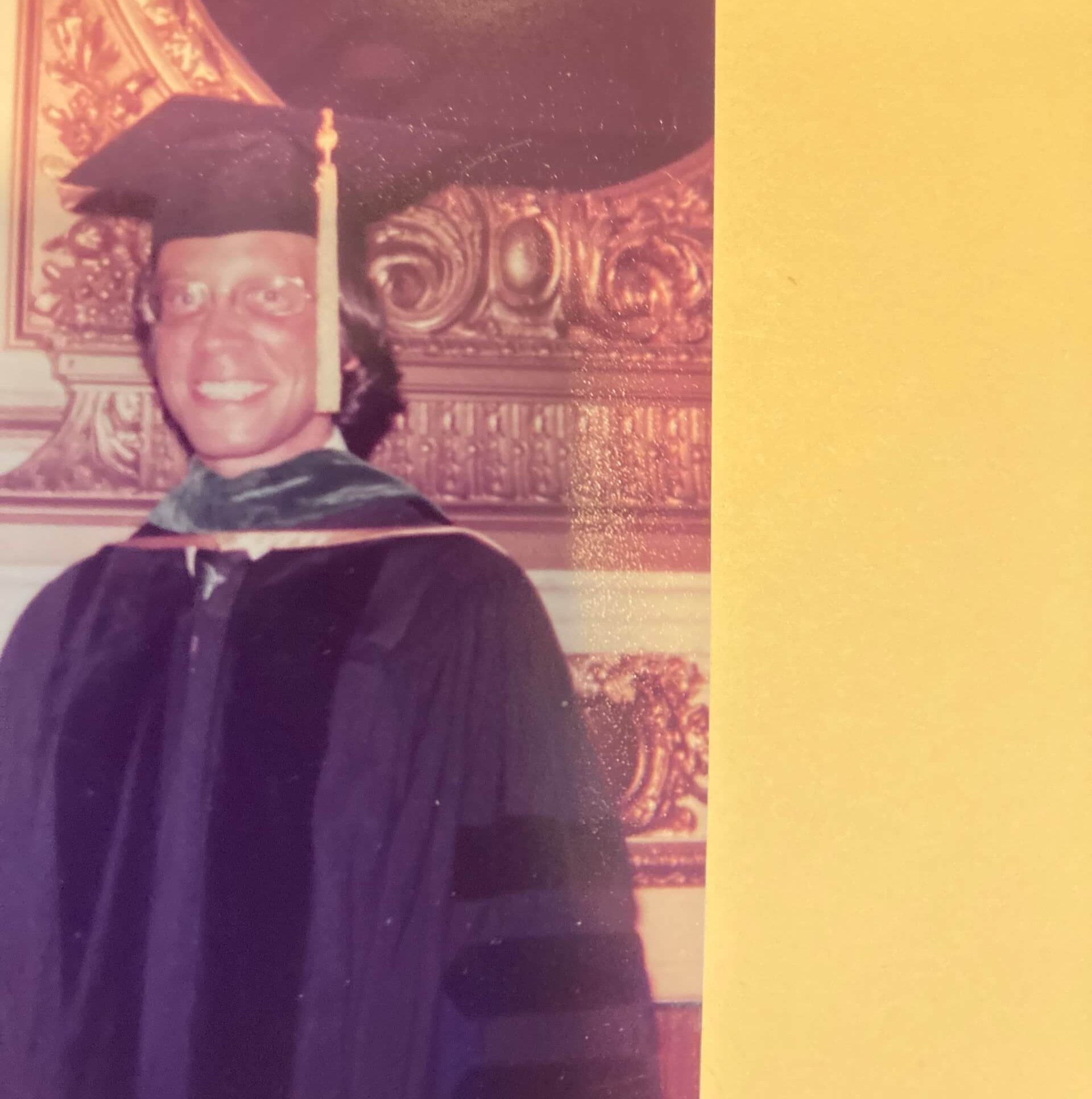
Additionally, care was often spread thin as there were only six or seven attendings available for an average of 200 patients a day. Dr. Gelb remembers that this system left many residents on their own, something he aimed to change.
It became a priority to hire enough attendings to provide 24/7 coverage and were trained in emergency medicine. He also started a system that required all patients be signed off by an attending, ensuring all who came in need of help received the same level of care. Today, ZSFG has 60 attendings working in the emergency room.
“You can help a lot of people in the ER. It’s totally different than anything else because every patient you see doesn’t want to be there. There’s a lot of room to make people happy.” Dr. Alan Gelb
Outside of his role as Chief of the Emergency Department, Dr. Gelb has held numerous positions including a 2-year stint as Chief of Staff, Chair of the Credentials Committee, a position he has held for the past 26 years, and Chair of the UC Risk Management Committee at ZSFG where he reviews all MedMAL cases against UC staff. Dr. Gelb is currently a Clinical Professor of Emergency Medicine.
Dr. Gelb has also played a large role in innovating the transition from paper charts to a digital first system. After stepping down from previous roles, he helped configure Epic, the current online system ZSFG uses for electronic medical records.
“[Epic] helps us take better care of patients,” Dr. Gelb says. “It provides alerts and prompts when a patient meets certain criteria. It really helps us improve patient care.”
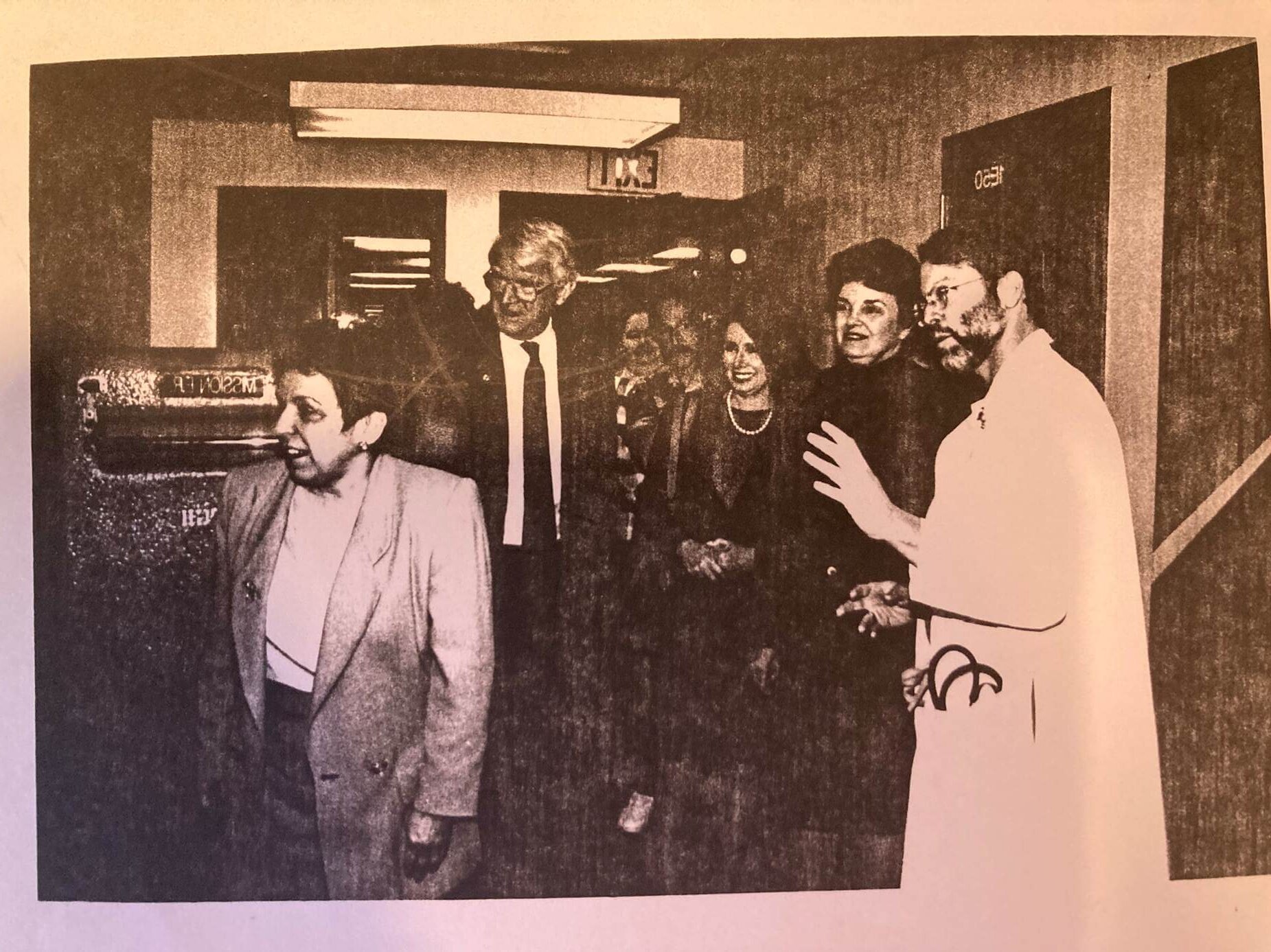
Dr. Gelb has spent much of his career advocating for better care and resources for patients. In partnership with SFGH Foundation, Dr. Gelb helped pitch the funding for ZSFG’s first ultrasound machine to a family of generous donors. He also took the opportunity to speak with then-California Governor Jerry Brown when he was visiting ZSFG to push for aid in purchasing much needed care items, from pillows to toothpaste.
“We have an opportunity to change things. This work is challenging, it’s rewarding, and we’re providing an important safety net service.” Dr. Alan Gelb